Sri Lanka T20 World Cup 2026: A Transition Under Pressure
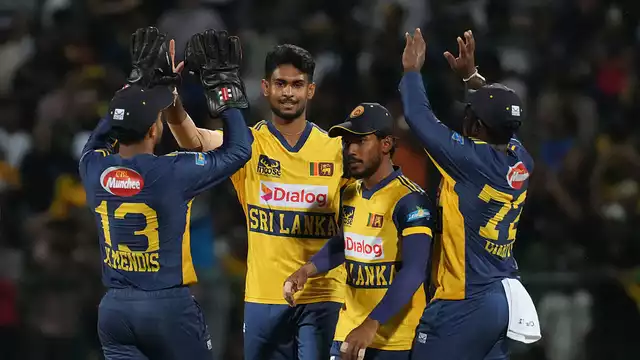
Sri Lanka enter the 2026 T20 World Cup still in transition, with results since the 2024 cycle underlining how incomplete that process remains.
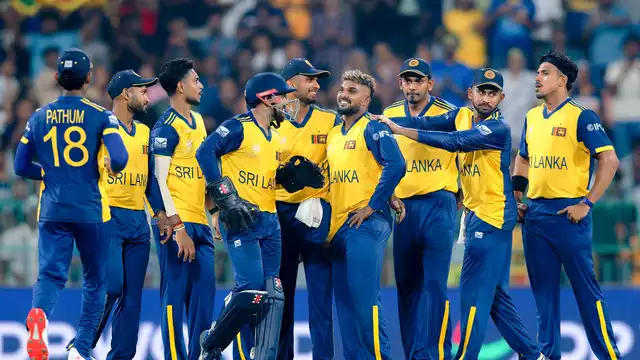
Sri Lanka enter the 2026 T20 World Cup still in transition, with results since the 2024 cycle underlining how incomplete that process remains. A record of 13 wins and 19 losses (including two Super Over defeats against India) since the previous World Cup, with bilateral series victories only against West Indies and Zimbabwe, points to incremental progress rather than a decisive shift. During this period, they failed to reach the Asia Cup final and also lost a tri-series final in Pakistan.
There is greater role clarity and a more settled core, but competitiveness over the last couple of years has arrived in patches rather than as a sustained trait. This World Cup is less about reinvention and more about testing whether signs of stability can finally translate into consistency against stronger opposition.
The squad, and what it tells us
Squad: Dasun Shanaka (captain), Pathum Nissanka, Kusal Perera, Kusal Mendis, Charith Asalanka, Janith Liyanage, Kamindu Mendis, Kamil Mishara, Pavan Rathnayake, Dunith Wellalage, Wanindu Hasaranga, Matheesha Pathirana, Maheesh Theekshana, Dushmantha Chameera, Eshan Malinga
Sri Lanka's squad reflects a side still banking on continuity, with 10 players retained from the 2024 World Cup. Kusal Perera, Janith Liyanage, Kamil Mishara, Pavan Rathnayake and Eshan Malinga are the new additions for 2026, while Sadeera Samarawickrama, Angelo Mathews, Dhananjaya de Silva, Nuwan Thushara and Dilshan Madushanka have made way.
The batting revolves around Pathum Nissanka and Kusal Mendis at the top, with the former being the leading run-scorer for Sri Lanka in this cycle. The middle order features Charith Asalanka, captain Dasun Shanaka, Wanindu Hasaranga and Kamindu Mendis, who came in late for Dhananjaya de Silva, with batting depth largely coming through all-rounders rather than specialist batters.
Hasaranga and Maheesh Theekshana remain the tactical axis of the bowling attack, with spin their primary weapon. Alongside them, Matheesha Pathirana, Dushmantha Chameera and Eshan Malinga form a trusted pace unit, though Thushara was not considered. Sri Lanka are likely to rely on their bowlers to do most of the heavy lifting, but while most roles are covered, genuine middle-overs batting insurance remains thin.
The road to the World Cup
Results in the current cycle have offered limited encouragement. A 3-3 record in the Asia Cup meant Sri Lanka missed out on a final berth. In the tri-series in Pakistan, they lost three of five matches, including a defeat to Zimbabwe and the final to Pakistan. They then drew a bilateral series at home against Pakistan. Leading into the World Cup, defeats have continued in home matches against England.
Last five completed T20Is: L-L-W-L-L
The way they play
The current Sri Lanka side plays a more measured brand of T20 cricket than earlier iterations. An overall strike rate of 125.83 since the last World Cup, better only than Oman, Scotland, Netherlands, Italy, Nepal and Afghanistan among the 20 teams set to feature in 2026, underlines their batting limitations. An average of 21.11 per wicket, better only than Scotland, Oman and Zimbabwe, tells a similar story. Their strength lies in adaptability on slower surfaces and an ability to manufacture wickets without relying on pace. Their weakness remains batting depth when early wickets fall.
Who can bend a match in 10 balls
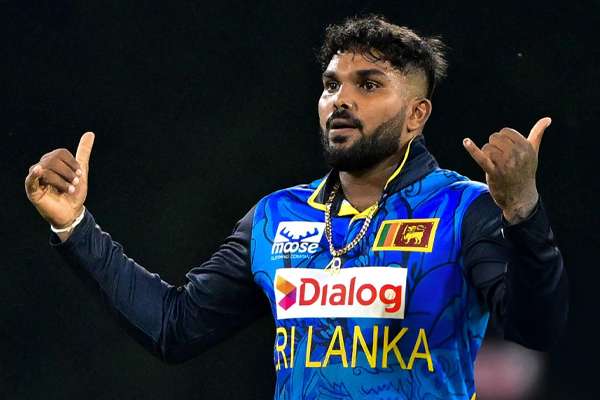
Wanindu Hasaranga remains Sri Lanka's most potent momentum-shifter, capable of flipping games with a short spell or a late cameo. He leads their wicket-taking charts in this cycle with 41 wickets in 26 innings at an average of 18.29, a strike rate of 14.6 and an economy of 7.5.
Pathum Nissanka is the other key figure, with Sri Lanka's batting hopes revolving around him. He has scored 1133 runs in 32 innings at an average of 38.22 and a strike rate of 140.22, with eight fifties and a hundred, and is crucial to their starts.